
Hi, I was thinking about repair of the car in case of a fender bender. The monocoque is stated to be a honeycomb core based composite structure. While this lends itself to a rigid light weight structure, it will likely delaminate (disbond of the skin from core) or puncture if impacted. If someone backs into it or it is hit by something bouncing down the road there could be issues. Very few automotive focused shops have any kind of composite repair capabilities. One might get away with drilling out a damaged area and pumping the core full of resin. Minor repairs might be made with local vacuum banging and heat blankets, but good structural repair would require an autoclave and appropriate mold tools. Going into the autoclave would also mean stripping the monocoque down.
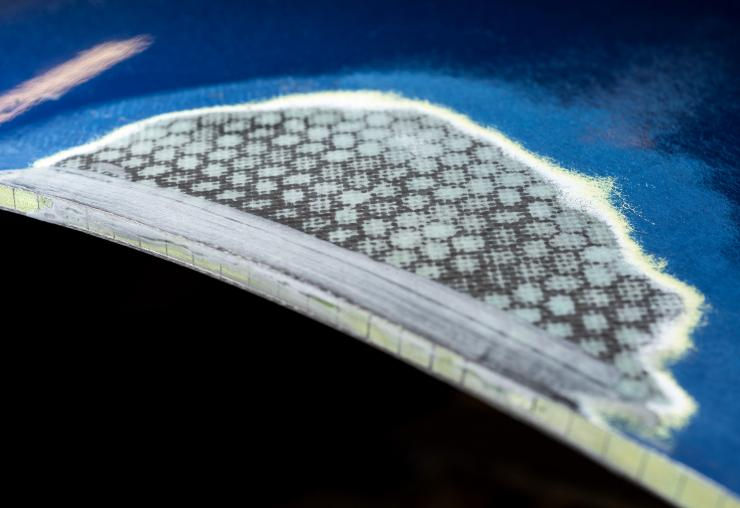
So, if a person got into a significant enough accident I wonder if the electrical and mechanicals could be moved to another shell? I recognize that the Aptera is fairly affordable, so it might be a write off if you get hit. Composites just behave differently than metallics when they are damaged. Fracturing rather than yielding and that kind of stuff.

I’m also curious if the manual system will have good non destructive testing instructions in it. Obvious delam can be found by a simple coin tap test, but I would expect some standards and inspection intervals for key load paths.
A bit of nerdy background, I ran the composite engineers for a major airline and aircraft maintenance repair organization (MRO) for about 10 years. We had large composite structures used in engine cowls, various fairings and flight controls forever. When we got 777s with their composite floor beams things got a bit more serious and with the A350 (composite fuselage and wings) and A220s (composite wings) joining the fleet things got really serious. Repair and inspection of highly loaded composites is a tricky thing. I love the idea of a composite car, but like EV charging, there is a whole infrastructure that needs to be developed to work on them.
@Rheingold